

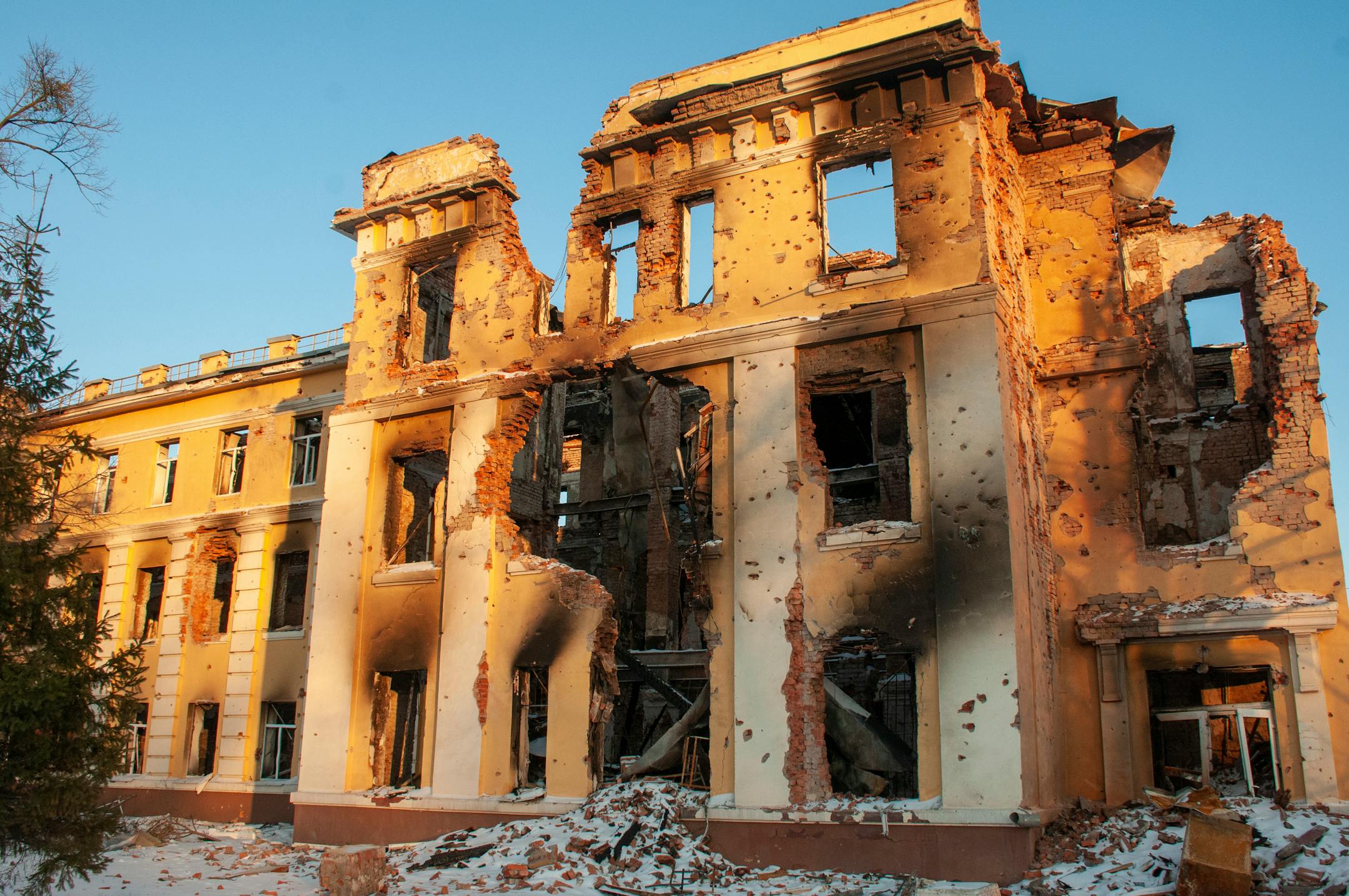
Winning a war takes sacrifice.
Ukrainian soldiers and citizens have inspired the world with their willingness to give everything — including, tragically, their lives — to defend their nation against the Russian invasion.
The West has rightly rallied to their cause. And while it's near nothing compared to the existential ordeal Ukrainians face, Americans must also muster a spirit of sacrifice, including in paying higher gas prices that are partly, although certainly not fully, a result of the war.
The most direct link came with President Joe Biden's Tuesday announcement that the U.S. would ban Russian oil and other energy imports. After levying extensive sanctions to nearly every other aspect of Russia's economy, it's the logical, and right, move. Energy fuels Russia's economy — and President Vladimir Putin's war machine. Reducing this revenue raises the economic and political cost of Putin's war of choice.
Not every Western country can contribute in the same way, a fact acknowledged by the Biden administration. The U.S. imports only a small fraction of its oil and petroleum products from Russia. Europe is far more dependent, and thus many continental countries announced aggressive but more gradual phaseout goals.
The U.S. ban comes amid a worldwide supply-demand imbalance that predates the war. Much of it was caused by a quicker-than-expected rebound in demand that came from COVID mitigation measures. Before that, oil prices and production had plunged, and didn't recover quickly enough to match more confident consumers' understandable desire to revert to normal life.
"As we come out of COVID, people want to fly more, they want to drive more, they want to get out," Alfred Marcus, a professor at the University of Minnesota's Carlson School of Management, told an editorial writer. Marcus, author of "Managing Strategic Uncertainty: Booms and Busts in the Energy Industry," added that among other factors fueling the rise in gas prices was a prior agreement between OPEC and Russia to restrict supply and thus raise the price of oil, as well as other oil-rich repressive regimes, particularly Iran and Venezuela, being sanctioned or shunned. And many domestic producers' business models were upended with the COVID curtailment of energy use and have not yet ramped up to reflect the new supply-demand dynamics.
Biden had been less encouraging to the industry than many previous presidents, mostly due to another threat: climate change. But today's shortage is not directly the result of last year's cancellation of the Keystone XL pipeline from Canada, which was not scheduled to be completed until 2023. Nor is it the outcome of Biden temporarily stopping new drilling leases on federal lands in January of 2021, since a federal judge blocked the move just months later, and the permits are for production a few years in advance.


